
Solid Wood vs Plywood vs Engineered Wood Furniture: Which is Better?
Amaltas Team
Amaltas Furniture & Modular Kitchens, Dehradun
Choosing the right material is one of the most important decisions when investing in furniture for your home. Whether you're planning a new bedroom, modular kitchen, wardrobe, or living room setup, you'll often come across three popular options: solid wood, plywood, and engineered wood. Many homeowners assume that solid wood is always the best choice, while others prefer engineered wood for its affordability. The reality is that each material has its own strengths and is suitable for different applications.
Understanding the Difference
Before comparing these materials, it's important to understand what they actually are.
Solid Wood
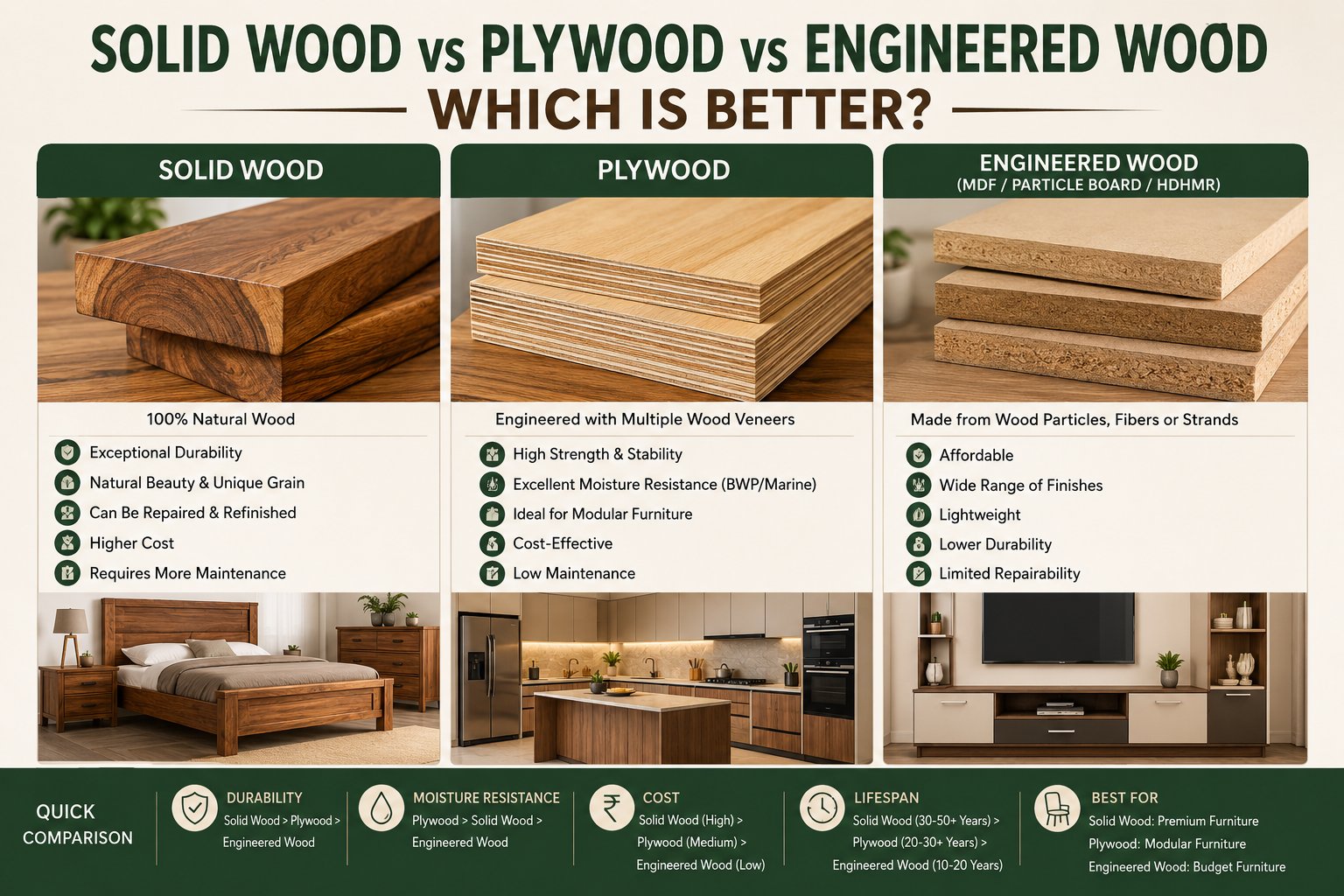
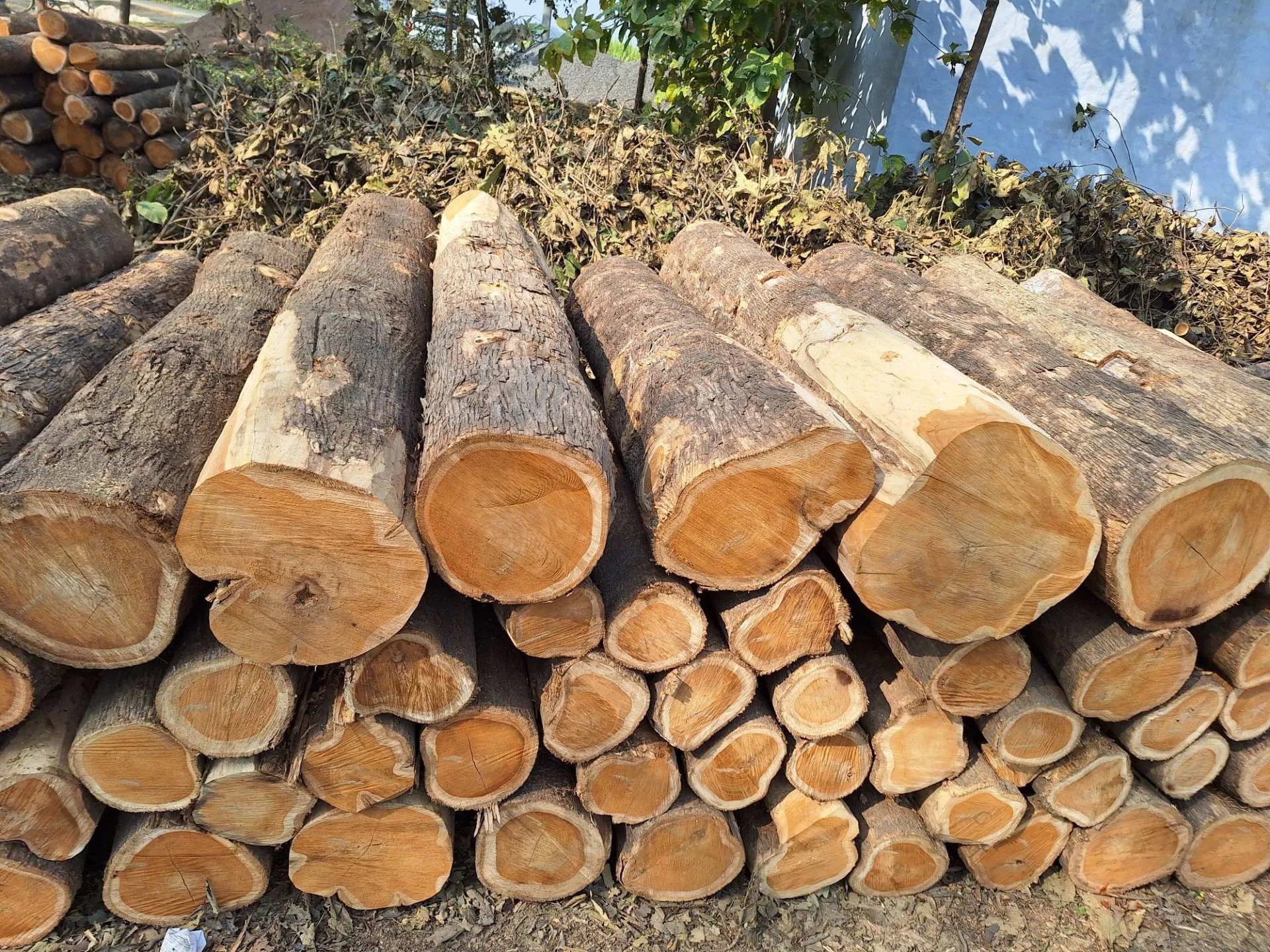
Solid wood furniture is made from natural timber cut directly from trees such as teak, sheesham, Jamun, Tun, or pine. The furniture components are crafted from actual wood planks without any engineered core.
Examples include:
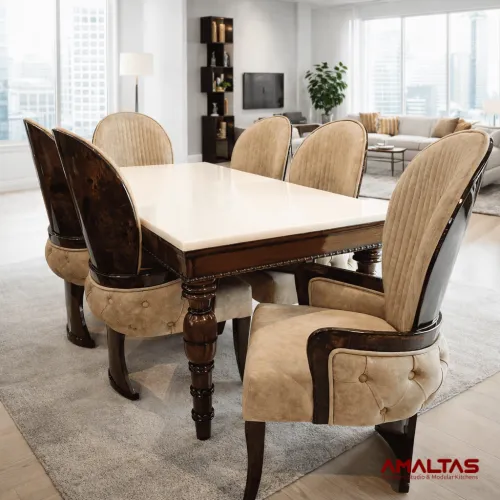
- Solid wood dining tables
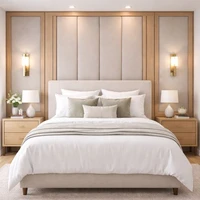
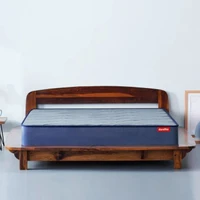
- Teak wood beds
- Sheesham wood cabinets
- Wooden coffee tables
Plywood
Plywood is manufactured by bonding multiple thin layers of wood veneer together under high pressure. The grain direction of each layer is arranged perpendicular to the next, making the board stronger and more stable. Plywood is very close to real wood.
Common applications include:
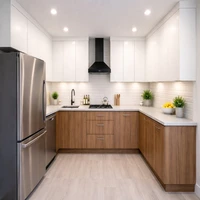
- Modular kitchens
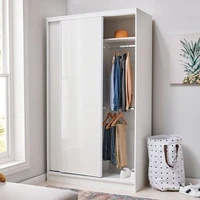
- Wardrobes
- TV units
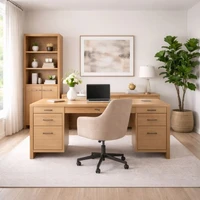
- Study tables
- Storage cabinets
Engineered Wood
Engineered wood is a broad category that includes materials such as MDF, HDHMR, particle board, block board, and plywood. However, when people refer to engineered wood furniture, they usually mean furniture made using particle board. The biggest advantage of particle board is that it provides a beautiful looking furniture at fraction of the cost. It may not be very long lasting, but useful for short and medium term.
Durability Comparison
Solid Wood
Solid wood is extremely durable and can last for decades when properly maintained. Premium hardwood furniture often remains functional for generations.
Durability Rating: 10/10
Plywood
High-quality plywood offers excellent strength and structural stability. It performs exceptionally well in modern furniture applications and can easily last 20–30 years or more.
Durability Rating: 9/10
Engineered Wood (Particle Board)
Standard engineered wood products provide adequate durability for everyday use but generally have a shorter lifespan compared to solid wood and plywood.
Durability Rating: 6–7/10
Moisture Resistance
Moisture is one of the biggest factors affecting furniture longevity.
Solid Wood
Natural wood expands and contracts with humidity changes. Over time, it may develop cracks or slight warping if not properly maintained.
Plywood
Marine plywood and BWP-grade plywood offer excellent moisture resistance, making them ideal for kitchens and bathrooms.
Engineered Wood
Standard particle boards are generally more vulnerable to moisture damage. It is advised to keep particle board away from direct contact of water .
Winner: Plywood
Appearance and Aesthetics
Solid Wood
Nothing matches the natural beauty of genuine wood grain. Every piece has a unique texture and appearance.
Plywood
Plywood itself is usually finished with laminates, veneers, acrylic sheets, PU paint, or membrane finishes to achieve various design styles. Plywood provides a stable base for those finishes.
Engineered Wood
Engineered wood also supports a wide range of decorative finishes and modern designs.
Winner: Solid Wood
Cost Comparison
Furniture budgets vary significantly depending on material selection.
- Solid Wood: Highest cost due to raw material and craftsmanship.
- Plywood: Mid-range pricing with an excellent balance of durability and affordability.
- Engineered Wood: Generally the most economical option.
Maintenance Requirements
Solid Wood
Requires periodic polishing and protection from moisture and direct sunlight.
Plywood
Low maintenance when finished with laminates or veneers.
Engineered Wood
Typically requires minimal maintenance but may be difficult to repair if damaged.
Winner: Plywood
Quick Comparison Table
| Feature | Solid Wood | Plywood | Engineered Wood |
|---|---|---|---|
| Strength | Excellent | Excellent | Good |
| Moisture Resistance | Moderate | Excellent | Moderate |
| Lifespan | 30–50+ Years | 20–30+ Years | 10–20 Years |
| Cost | High | Medium | Low |
| Maintenance | Moderate | Low | Low |
| Repairability | Excellent | Good | Limited |
| Design Flexibility | Moderate | Excellent | Excellent |
| Best For | Premium Furniture | Modular Furniture | Budget Furniture |
Final Verdict
There is no single material that is perfect for every application.
- Choose solid wood if you want timeless beauty, luxury, and furniture that can last generations.
- Choose plywood if you want the best balance of durability, moisture resistance, customization, and value.
- Choose engineered wood if affordability is your primary concern and the furniture will be used in low-moisture environments.
For most modern homes, especially modular kitchens, wardrobes, TV units, and custom storage solutions, premium plywood remains one of the smartest and most practical choices available today.
At Amaltas Furniture, we help homeowners select the right materials based on their budget, lifestyle, and furniture requirements, ensuring a balance of durability, aesthetics, and long-term value.
Ready to Transform Your Home?
Visit our 10,000 sq.ft showroom on GMS Road, Dehradun or book a free consultation.
Book a Consultation