
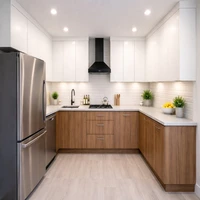
Modular Kitchen Cost in Dehradun: Complete Price Guide (2026)
Amaltas Team
Amaltas Furniture & Modular Kitchens, Dehradun
A modular kitchen is one of the most important investments in a modern home. Whether you're building a new house in Dehradun or renovating an existing kitchen, understanding the cost of a modular kitchen can help you plan your budget effectively. The total cost depends on factors such as kitchen size, materials used, finishes, hardware, accessories, and appliances. In this guide, we'll break down the expected modular kitchen costs in Dehradun for 2026 and explain the factors that affect pricing.
Average Modular Kitchen Cost in Dehradun
Average Modular Kitchen Cost in Dehradun (2026)
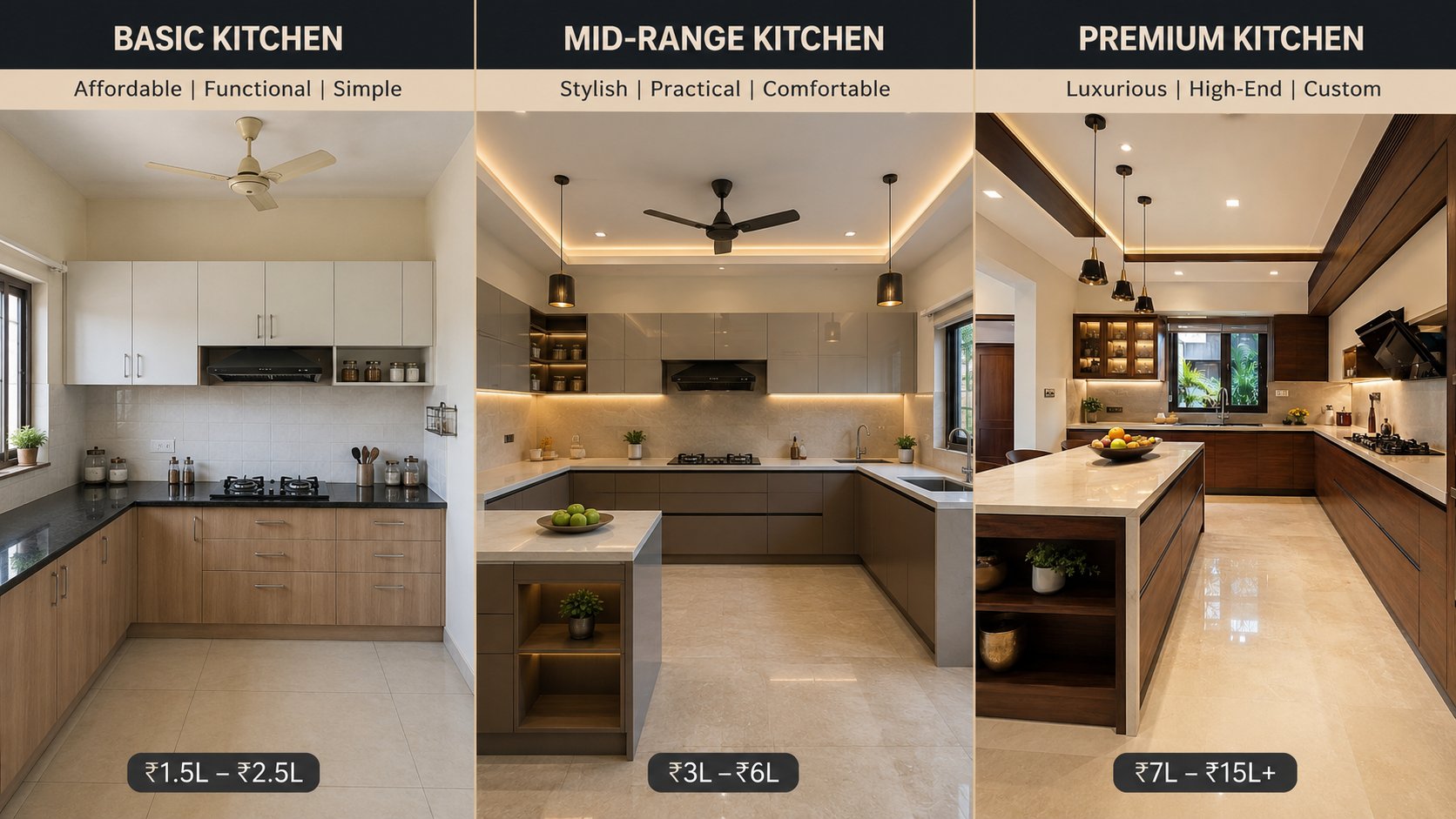
Planning a modular kitchen for your home in Dehradun? The overall cost can vary significantly based on the size of the kitchen, materials used, hardware quality, storage requirements, and the level of customization. Whether you are looking for a budget-friendly kitchen or a premium luxury design, understanding the approximate price range can help you plan your budget effectively.
The average modular kitchen cost in Dehradun generally falls within the following range:
| Kitchen Type | Approximate Cost |
|---|---|
| Basic Modular Kitchen | ₹1 – ₹3 Lakhs |
| Mid-Range Modular Kitchen | ₹3 – ₹6 Lakhs |
| Premium Modular Kitchen | ₹6 – ₹12 Lakhs+ |
What Is Included in These Costs?
The above estimates generally include base cabinets, wall cabinets, shutters, countertops, standard hardware, installation, and basic accessories. However, premium features such as tandem drawers, corner solutions, pull-out units, built-in appliances, and designer finishes can increase the overall project cost.
Factors Affecting Modular Kitchen Cost
- Kitchen Size: Larger kitchens require more cabinets, hardware, and countertop material.
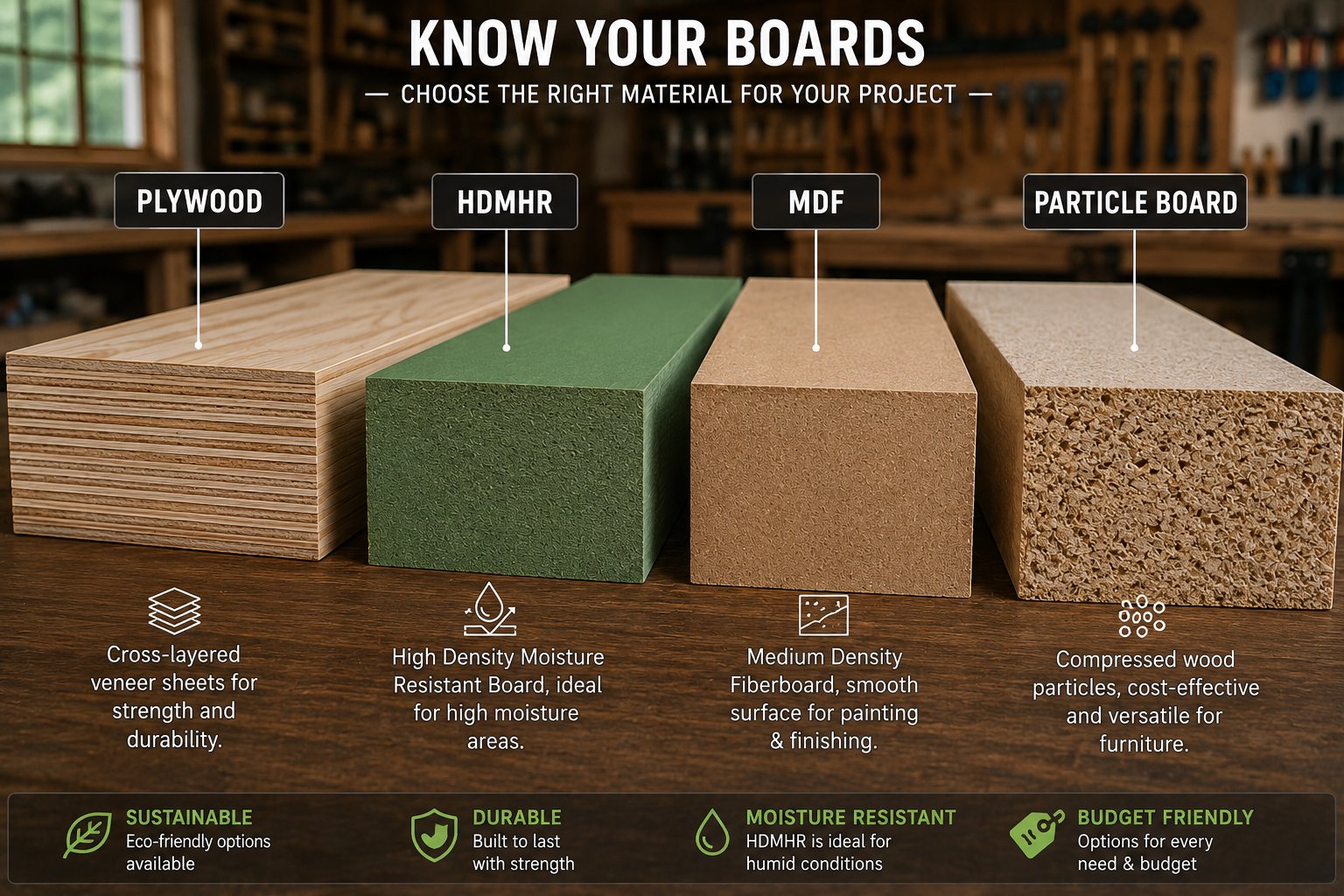
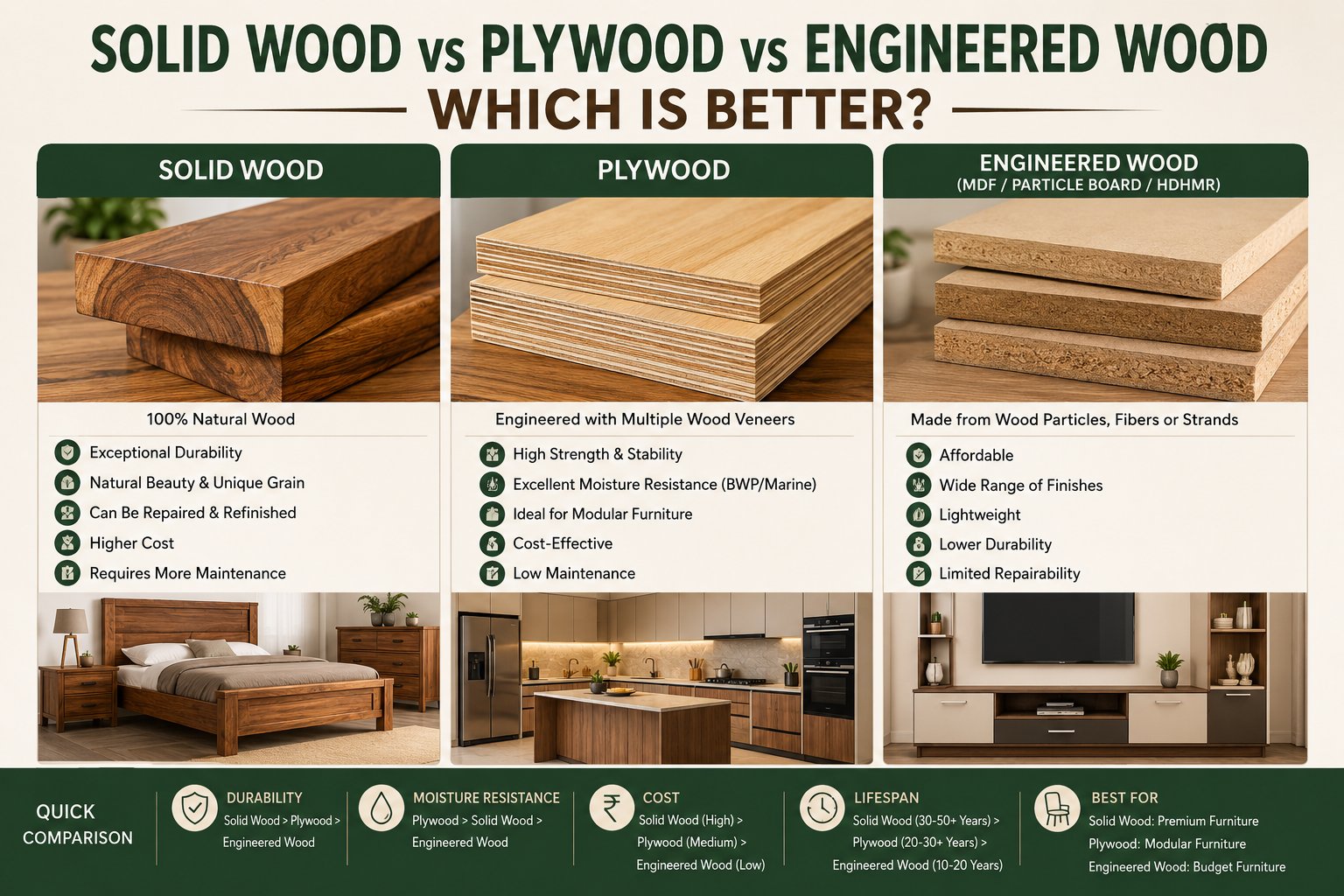
- Cabinet Material: Plywood, HDHMR, MDF, and particle board differ significantly in price and durability.
- Shutter Finish: Laminate, acrylic, PU paint, membrane, and glass finishes impact the final cost.
- Hardware Quality: Premium brands such as Blum and Hettich generally cost more than standard hardware options.
- Accessories: Magic corners, pantry units, cutlery organizers, bottle pull-outs, and other accessories add convenience but also increase costs.
- Appliances: Built-in ovens, hobs, chimneys, dishwashers, and refrigerators may be included separately.
Basic Modular Kitchen (₹1 – ₹3 Lakhs)
A basic modular kitchen is suitable for homeowners looking for a functional and affordable solution. These kitchens typically feature laminate-finished cabinets, standard hardware, and essential storage options. They offer excellent value for small and medium-sized homes.
Mid-Range Modular Kitchen (₹3 – ₹6 Lakhs)
Mid-range kitchens provide a balance between aesthetics and functionality. Homeowners can choose higher-quality materials, better hardware, additional storage accessories, and more attractive finishes such as acrylic or premium laminates.
Premium Modular Kitchen (₹6 – ₹12 Lakhs+)
Premium modular kitchens are designed for luxury homes and customers seeking superior aesthetics and long-term durability. These kitchens often include imported hardware, premium finishes, soft-close mechanisms, built-in appliances, customized storage systems, and designer layouts such as island kitchens.
Final Thoughts
The ideal modular kitchen budget depends on your lifestyle, storage needs, preferred materials, and design expectations. Consulting an experienced modular kitchen designer in Dehradun can help you choose the right combination of materials, hardware, and accessories while staying within your budget.
Note: The prices mentioned above are indicative and may vary depending on market conditions, material availability, brand selection, and project-specific requirements.
Kitchen Cost Calculator
Factors Affecting Modular Kitchen Cost
Factors That Influence Modular Kitchen Cost
The final cost of a modular kitchen depends on several factors beyond just the materials used. Understanding these factors can help homeowners make informed decisions and allocate their budget effectively.
1. Kitchen Size
The size of the kitchen is one of the biggest cost determinants. Larger kitchens require more cabinets, shutters, hardware, countertops, and installation work. As the number of storage units increases, the overall project cost also rises.
- More base and wall cabinets
- Increased countertop area
- Additional hardware and accessories
- Higher material and labor costs
2. Kitchen Layout Type
The kitchen layout significantly affects the overall budget. Different layouts require varying amounts of cabinetry, countertop material, and storage solutions.
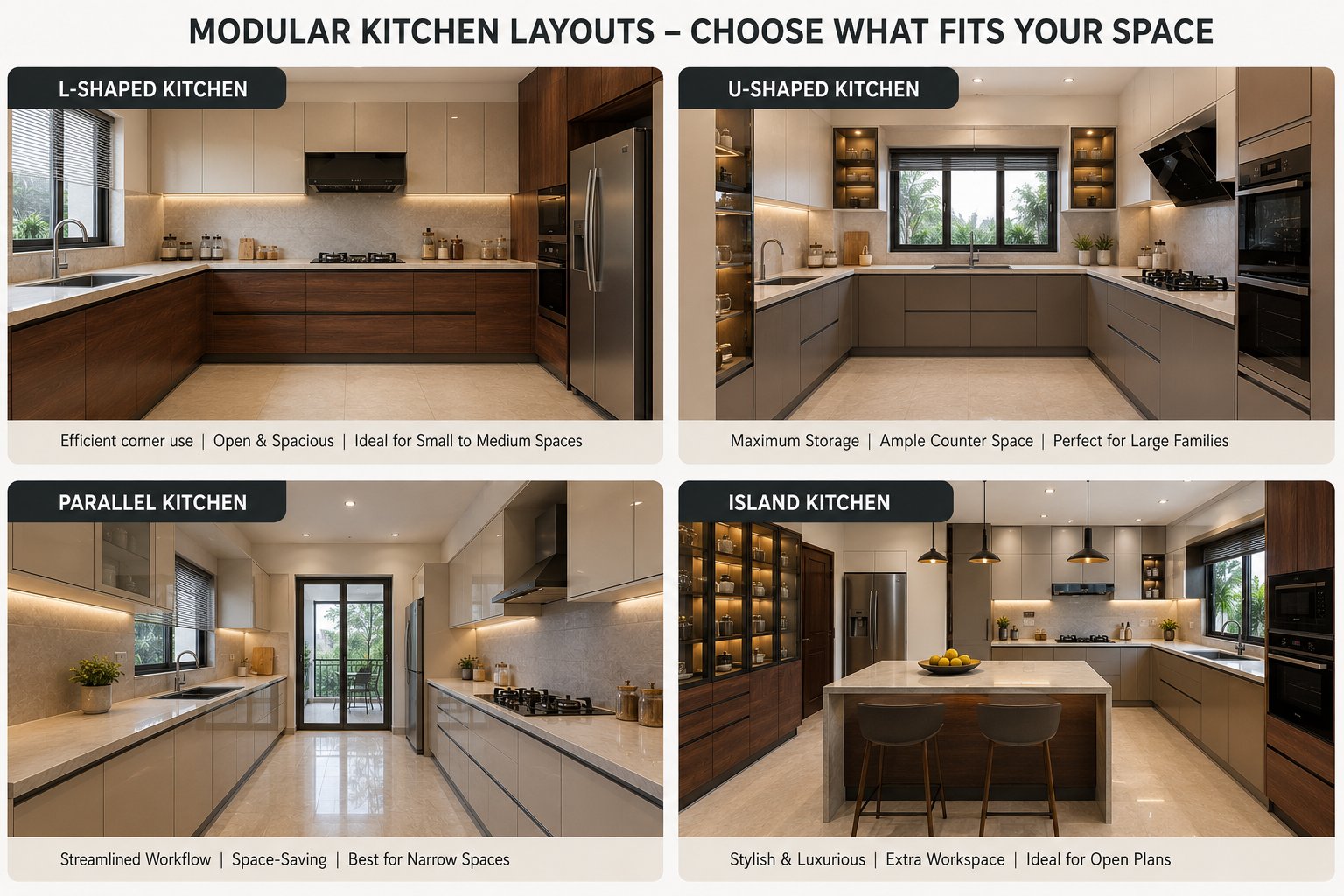
Common modular kitchen layouts include:
- Straight Kitchen
- L-Shaped Kitchen
- U-Shaped Kitchen
- Parallel Kitchen
- Island Kitchen
Straight Kitchen
A straight kitchen is the most cost-effective layout. All cabinets and appliances are arranged along a single wall, making it simple to design and install. Since there are no corner cabinets, expensive corner storage solutions are not required.
This layout is ideal for compact apartments, studio homes, and smaller kitchens where space optimization is important.
L-Shaped Kitchen
L-shaped kitchens are among the most popular choices for modern homes. The layout utilizes two adjoining walls, creating an efficient work triangle between the sink, stove, and refrigerator.
While an L-shaped kitchen usually includes one corner unit, it offers a good balance between functionality and cost. The overall budget remains moderate compared to more complex layouts.
This layout is suitable for both small and medium-sized kitchens and provides ample storage and countertop space.
U-Shaped Kitchen
U-shaped kitchens provide maximum storage and workspace by utilizing three walls. They are highly functional and are often preferred by homeowners who cook frequently.
However, U-shaped kitchens generally cost more because they typically include two corner sections. These corners often require specialized storage solutions such as:
- Magic Corner Units
- LeMans Corner Systems
- Carousel Units
- Pull-Out Corner Organizers
Premium corner hardware can significantly increase the overall kitchen budget, making U-shaped kitchens more expensive than straight or L-shaped layouts.
Parallel Kitchen
A parallel kitchen, also known as a galley kitchen, consists of two parallel countertops facing each other. This layout is highly efficient and provides excellent storage capacity.
Since cabinetry is installed on both sides, the total amount of material required is often higher than in a straight kitchen. However, the layout usually avoids complex corner solutions, helping control costs.
Island Kitchen
Island kitchens are considered a premium option and are commonly found in larger homes and luxury residences. In addition to the main kitchen area, an island unit is installed in the center, providing additional storage, workspace, and seating.
Island kitchens generally cost more due to:
- Additional cabinetry
- Extra countertop material
- Electrical and plumbing modifications (if required)
- Premium design and finishing requirements
Although they require a larger investment, island kitchens offer exceptional functionality, aesthetics, and social interaction space, making them a popular choice in modern homes.
Cost Comparison by Layout
| Kitchen Layout | Relative Cost | Reason |
|---|---|---|
| Straight Kitchen | Lowest | No corner units and minimal cabinetry requirements. |
| L-Shaped Kitchen | Moderate | One corner unit with balanced storage and functionality. |
| Parallel Kitchen | Moderate to High | Additional cabinets on two parallel walls. |
| U-Shaped Kitchen | High | Two corner sections often requiring premium hardware solutions. |
| Island Kitchen | Highest | Additional island unit, cabinetry, countertop, and utility requirements. |
Choosing the right layout involves balancing available space, storage requirements, cooking habits, and budget. While straight kitchens offer the most economical solution, U-shaped and island kitchens provide enhanced functionality and premium aesthetics at a higher cost.
Material Selection and Pricing
Cabinet Material Selection: The Foundation of a Durable Modular Kitchen
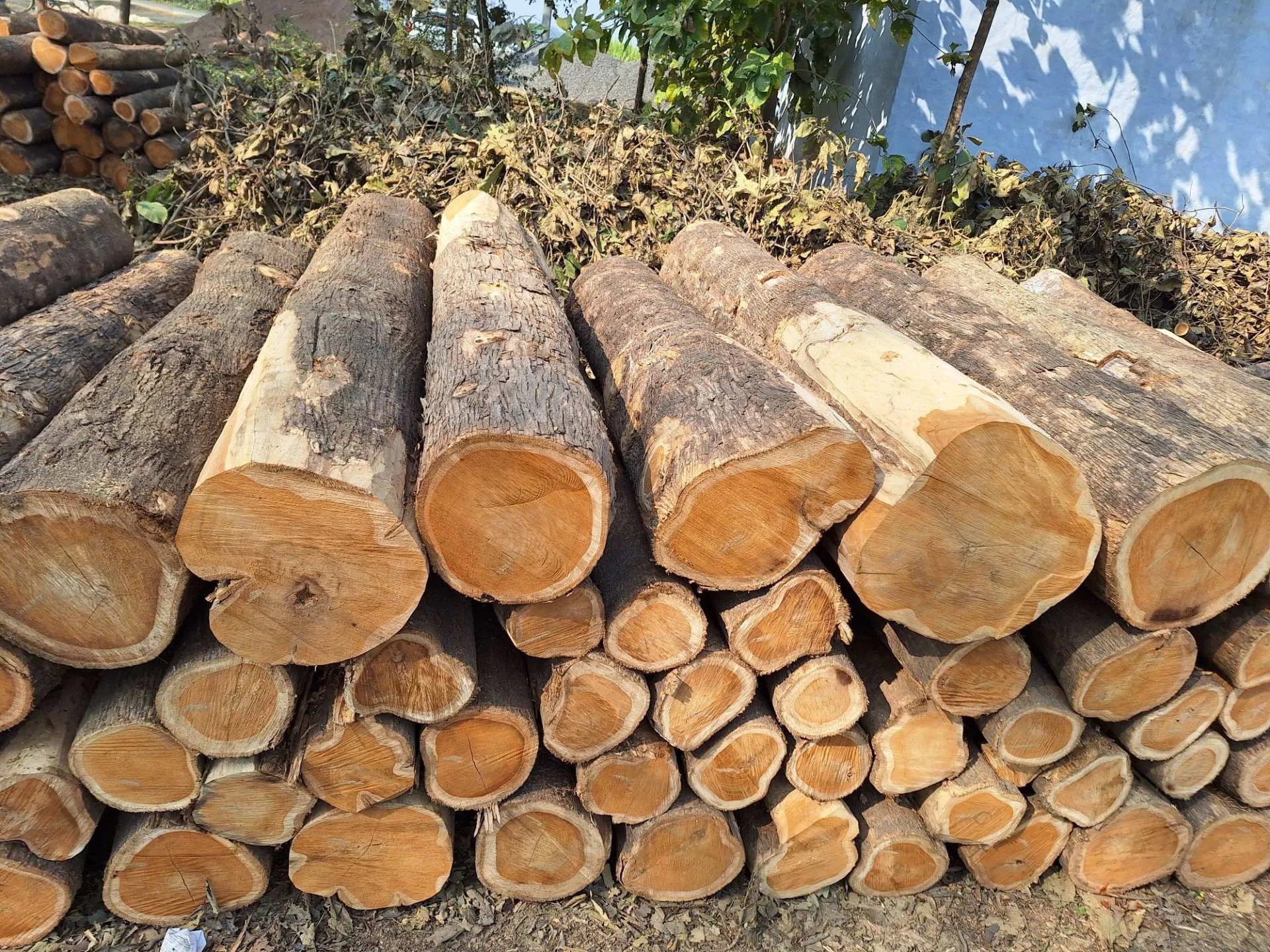
The material used for kitchen cabinets plays a crucial role in determining the durability, strength, moisture resistance, and overall lifespan of a modular kitchen. Since kitchens are regularly exposed to water, steam, heat, and daily wear and tear, choosing the right board material is essential for long-term performance.
While several materials are available in the market, not all of them are equally suitable for kitchen applications. Understanding their advantages and limitations can help homeowners make an informed decision based on their budget and requirements.
1. BWP Plywood (Boiling Water Proof Plywood)
BWP Plywood is widely considered the best material for modular kitchen cabinets. It is manufactured using high-quality hardwood veneers bonded with waterproof resin, making it highly resistant to moisture and humidity.
Since kitchens are constantly exposed to water, steam, and temperature fluctuations, BWP plywood offers excellent long-term reliability and structural strength.
Advantages of BWP Plywood:- Excellent moisture and water resistance.
- High screw holding capacity.
- Strong and durable structure.
- Termite and borer resistant when properly treated.
- Long service life even in demanding kitchen environments.
- Suitable for sink units and areas exposed to frequent moisture.
Although BWP plywood is more expensive than other materials, its durability and longevity make it a worthwhile investment for homeowners seeking a premium modular kitchen.
Recommended For: Premium kitchens, luxury homes, high-moisture areas, and homeowners seeking maximum durability.
2. HDHMR (High Density High Moisture Resistant Board)
HDHMR has emerged as a popular alternative to plywood for modular kitchens. It is manufactured using engineered wood fibers compressed under high pressure, resulting in a dense and strong board.
Compared to standard MDF and particle board, HDHMR offers significantly better moisture resistance, strength, and durability while remaining more economical than BWP plywood.
Advantages of HDHMR:- Good moisture resistance.
- Smooth surface suitable for laminates, acrylic, and PU finishes.
- Better screw holding capacity than MDF and particle board.
- Cost-effective alternative to plywood.
- Uniform density and smooth finish.
- Suitable for modern modular kitchen designs.
HDHMR provides an excellent balance between cost and performance. For many homeowners, it offers sufficient durability while reducing the overall project cost.
Recommended For: Mid-range modular kitchens and homeowners looking for a balance between quality and budget.
3. MDF (Medium Density Fibreboard)
MDF is an engineered wood product made by compressing wood fibers with resin under pressure. It is commonly used in furniture manufacturing because of its smooth surface and affordability.
While MDF performs well in dry indoor environments, it is generally not considered the ideal material for kitchen cabinets due to its limited resistance to moisture and water exposure.
Advantages of MDF:- Budget-friendly option.
- Very smooth surface for painted and PU-finished shutters.
- Easy to machine and customize.
- Available in various thicknesses and finishes.
- Limited moisture resistance.
- Can swell when exposed to water.
- Lower screw holding capacity compared to plywood and HDHMR.
- Reduced durability in humid environments.
MDF can be used for decorative shutters and dry storage areas, but it is generally not recommended for cabinet carcasses in kitchens where moisture exposure is common.
Recommended For: Budget projects, decorative panels, and dry interior applications.
4. Particle Board
Particle board is the most economical cabinet material available in the market. It is manufactured using wood chips and particles bonded together with resin.
Although particle board is commonly used in low-cost furniture, it is generally considered unsuitable for modular kitchens due to its poor performance in humid and wet conditions.
Limitations of Particle Board:- Very low moisture resistance.
- Can swell and deteriorate when exposed to water.
- Poor screw holding capacity.
- Reduced structural strength.
- Shorter lifespan compared to other materials.
- Not suitable for sink units or high-moisture areas.
Even a minor plumbing leak or prolonged exposure to moisture can cause particle board cabinets to weaken and lose their structural integrity.
For this reason, particle board is generally considered a complete "No" for modular kitchens, especially in regions where humidity and moisture levels are high.
Recommended For: Temporary furniture and low-cost applications only. Not recommended for modular kitchen cabinets.
Material Comparison at a Glance
| Material | Moisture Resistance | Screw Holding | Durability | Cost Level | Kitchen Suitability |
|---|---|---|---|---|---|
| BWP Plywood | Excellent | Excellent | Excellent | High | Highly Recommended |
| HDHMR | Good | Good | Good | Medium | Recommended |
| MDF | Moderate to Low | Average | Average | Low | Limited Use |
| Particle Board | Poor | Poor | Poor | Lowest | Not Recommended |
In conclusion, BWP Plywood remains the gold standard for modular kitchens due to its superior strength, moisture resistance, and long-term durability. For homeowners seeking a more economical alternative, HDHMR offers excellent value for money. While MDF may be used selectively in dry areas, particle board should generally be avoided for kitchen cabinetry due to its poor performance in moisture-prone environments.
Get Free Kitchen Deisgn
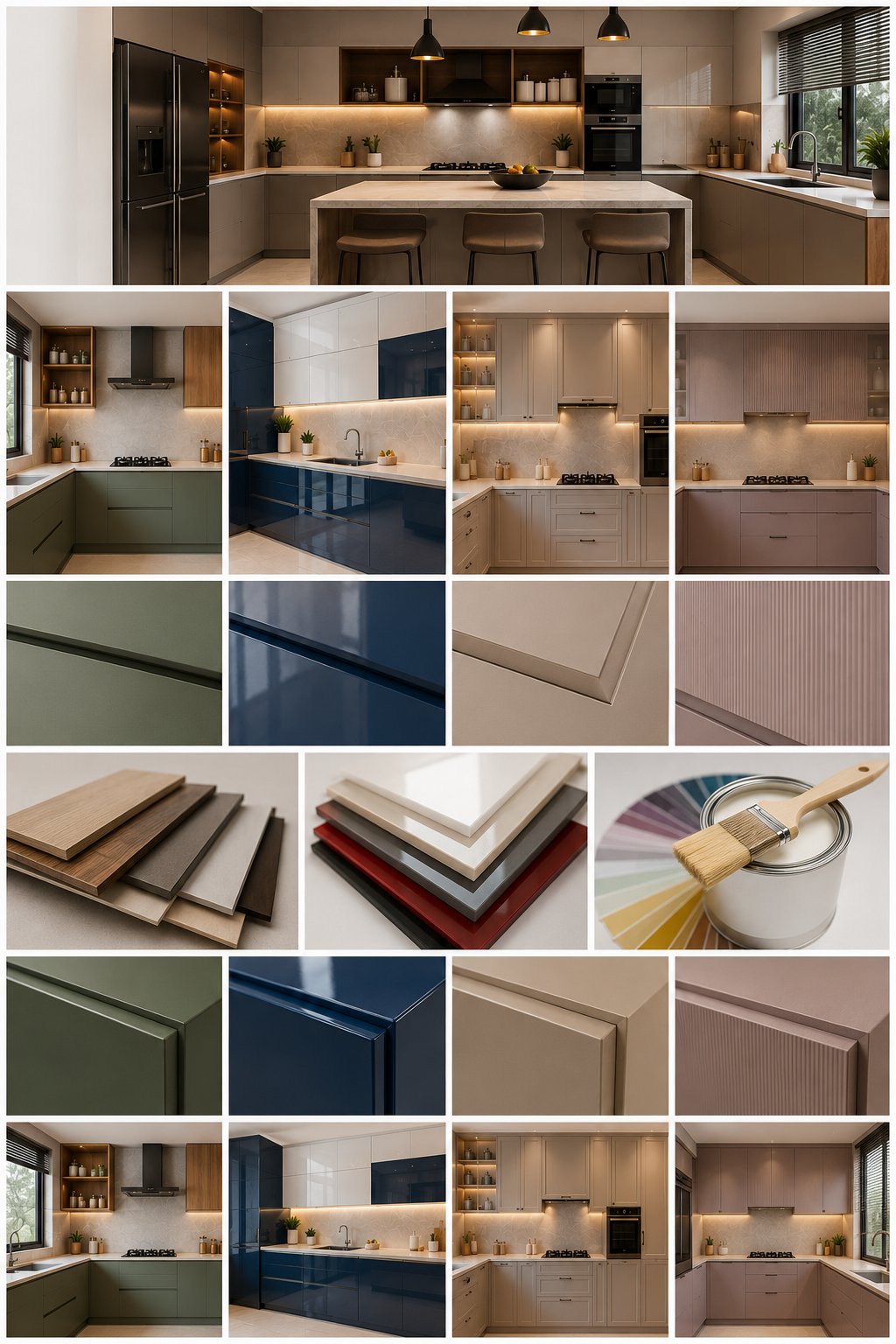
Laminate, Acrylic, and PU Finish Costs
Kitchen Finishes: Balancing Aesthetics, Durability, and Budget
The finish selected for kitchen shutters is one of the most important decisions when designing a modular kitchen. While the cabinet material determines the strength and durability of the kitchen, the shutter finish defines its appearance, style, and overall visual appeal.
Modern modular kitchens offer a variety of finish options to suit different budgets and design preferences. The most popular choices include Laminate, Membrane, Acrylic, and PU (Polyurethane) finishes. Each option has its own advantages in terms of aesthetics, maintenance, durability, and cost.
1. Laminate Finish
Laminate is the most widely used finish in modular kitchens due to its affordability, durability, and extensive design options. It is manufactured by bonding decorative sheets to the shutter surface under high pressure, creating a strong and attractive finish.
Over the years, laminate has proven itself as a reliable and practical solution for Indian kitchens. It is available in countless colors, patterns, and textures, allowing homeowners to create everything from minimalist modern kitchens to classic wood-finish designs.
Advantages of Laminate Finish:- Most economical finish option.
- Excellent durability for everyday use.
- Scratch and stain resistant.
- Easy to clean and maintain.
- Available in matte, glossy, textured, and wood-grain finishes.
- Huge variety of colors and designs.
- Suitable for both modern and traditional kitchens.
Best For: Budget and mid-range modular kitchens, rental properties, and homeowners seeking maximum value for money.
2. Membrane Finish
Membrane finish offers a premium appearance while remaining more affordable than PU-painted kitchens. In this process, a decorative PVC membrane sheet is vacuum-pressed over the shutter, creating a seamless surface without visible edge joints.
One of the biggest advantages of membrane shutters is the ability to create decorative routed designs and panel patterns. This makes membrane kitchens particularly popular for homeowners who prefer elegant, classic, or shaker-style kitchen designs.
Membrane finishes are available in both solid colors and realistic wood-grain patterns, providing an attractive balance between aesthetics and affordability.
Advantages of Membrane Finish:- Seamless appearance with no visible edge banding.
- Supports designer routed shutter profiles.
- Available in a wide range of colors and wood textures.
- Premium appearance at a moderate cost.
- Easy to clean and maintain.
- Suitable for traditional and contemporary kitchens.
- Quality depends heavily on manufacturing standards.
- Extended exposure to high heat may affect the membrane layer.
- Damaged shutters are often replaced rather than repaired.
Best For: Mid-range modular kitchens, traditional designs, and homeowners seeking a premium look without a luxury budget.
3. Acrylic Finish
Acrylic kitchens are known for their luxurious high-gloss appearance. Acrylic sheets are bonded to the shutter surface, creating a mirror-like finish that reflects light and makes the kitchen appear brighter and more spacious.
The glossy surface creates a modern and sophisticated look, making acrylic one of the most popular choices for contemporary modular kitchens.
Compared to laminates, acrylic finishes offer superior gloss levels and a more premium visual appeal.
Advantages of Acrylic Finish:- Premium high-gloss appearance.
- Excellent color consistency.
- Creates a bright and spacious look.
- Smooth and elegant finish.
- Modern and luxurious aesthetic.
- UV-resistant and color stable.
- Higher cost than laminate and membrane finishes.
- Glossy surfaces may show fingerprints.
- Requires regular cleaning to maintain shine.
Best For: Modern homes, premium apartments, and homeowners seeking a sleek, contemporary kitchen design.
4. PU (Polyurethane) Finish
PU Finish is widely regarded as one of the most luxurious finishes available for modular kitchens. Unlike laminate, membrane, or acrylic finishes that use sheets, PU is a painted finish applied directly onto the shutter surface in multiple coats.
After painting, the shutters are polished to achieve a flawless, smooth finish. The result is a seamless and highly sophisticated appearance that is often compared to premium automotive paint.
PU finishes offer exceptional customization possibilities since they can be produced in virtually any color. Both matte and high-gloss variants are available.
Advantages of PU Finish:- Ultra-smooth painted appearance.
- Highly luxurious and premium look.
- Available in unlimited color options.
- Suitable for both matte and gloss finishes.
- Seamless and elegant surface finish.
- Ideal for bespoke designer kitchens.
- Highest cost among commonly used kitchen finishes.
- Requires skilled craftsmanship.
- Longer manufacturing and finishing time.
- Repairs may require refinishing of the surface.
Best For: Luxury homes, designer interiors, and high-end modular kitchen projects.
Finish Comparison Table
| Finish Type | Appearance | Durability | Maintenance | Cost Level | Recommended For |
|---|---|---|---|---|---|
| Laminate | Good | Excellent | Easy | ₹ | Budget & Mid-Range Kitchens |
| Membrane | Premium Textured Look | Good | Easy | ₹₹ | Traditional & Mid-Range Kitchens |
| Acrylic | Premium High Gloss | Very Good | Moderate | ₹₹₹ | Modern Premium Kitchens |
| PU Finish | Luxury Designer Look | Very Good | Moderate | ₹₹₹₹ | Luxury Modular Kitchens |
Selecting the right finish depends on your design preferences, maintenance expectations, and budget. Laminate remains the most practical and cost-effective choice, Membrane offers designer aesthetics at a moderate cost, Acrylic delivers a premium high-gloss modern look, and PU Finish stands at the top of the range for homeowners seeking a truly luxurious and customized kitchen.
Ready to Transform Your Home?
Visit our 10,000 sq.ft showroom on GMS Road, Dehradun or book a free consultation.
Book a Consultation